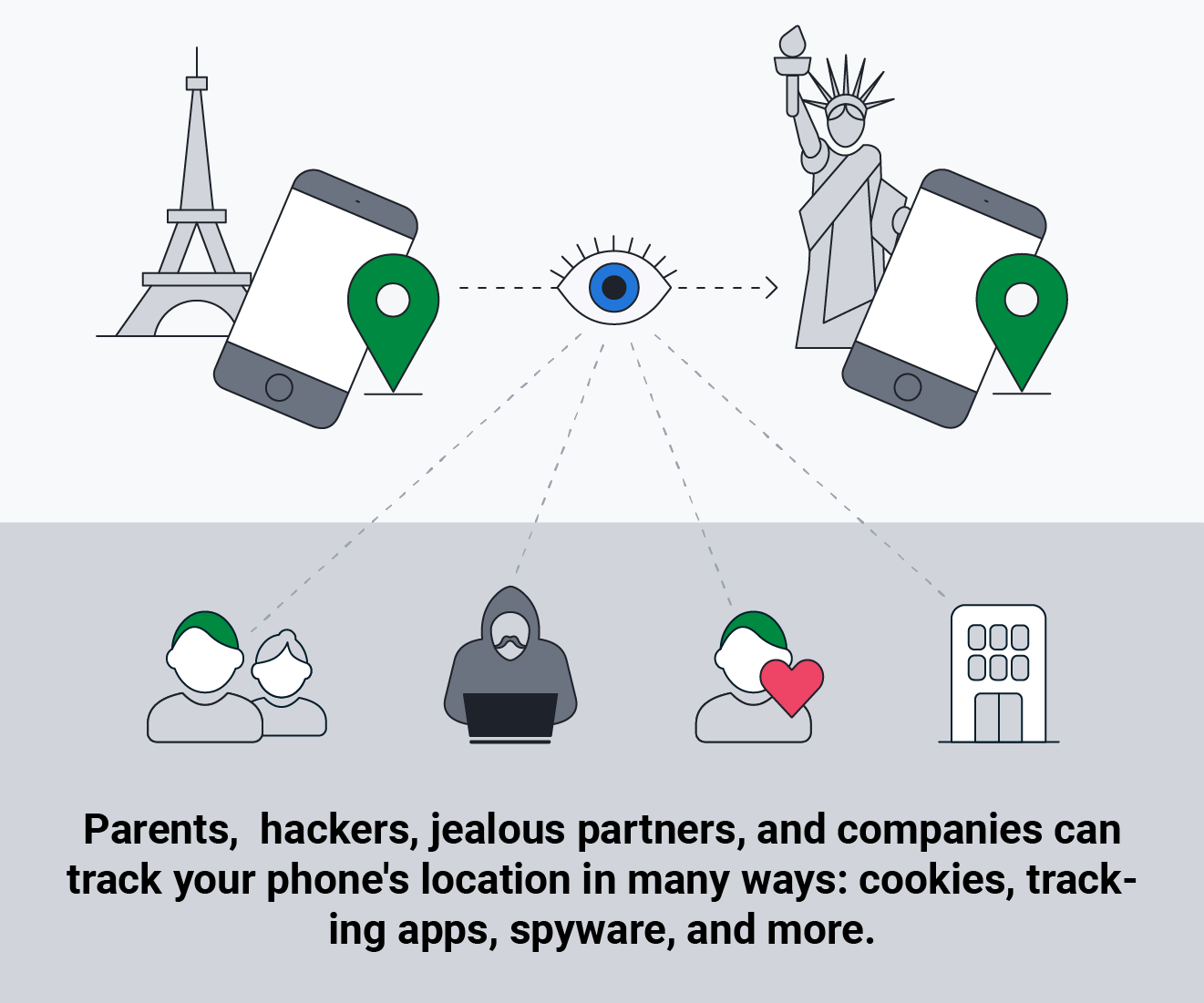
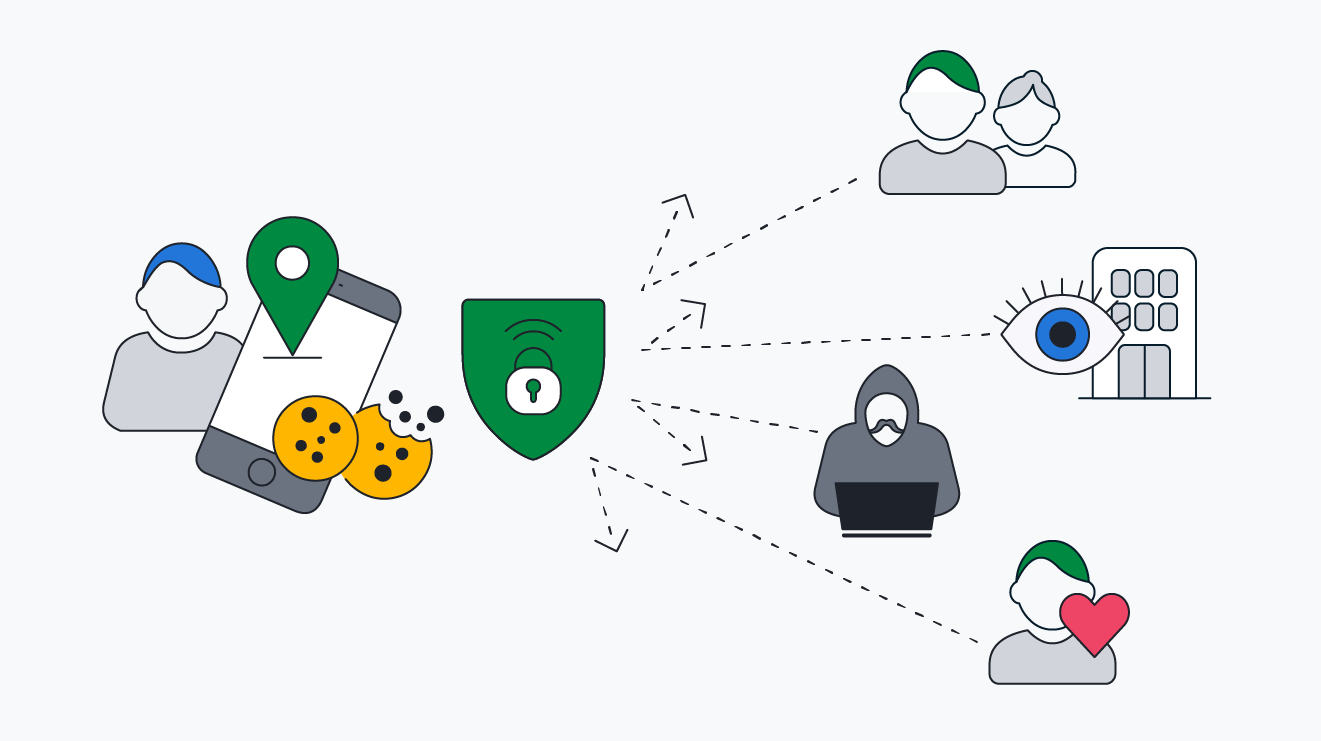
Phone tracking can be from companies (for ads), authorities (for security), people you know (for monitoring), or criminals (for exploitation).
-
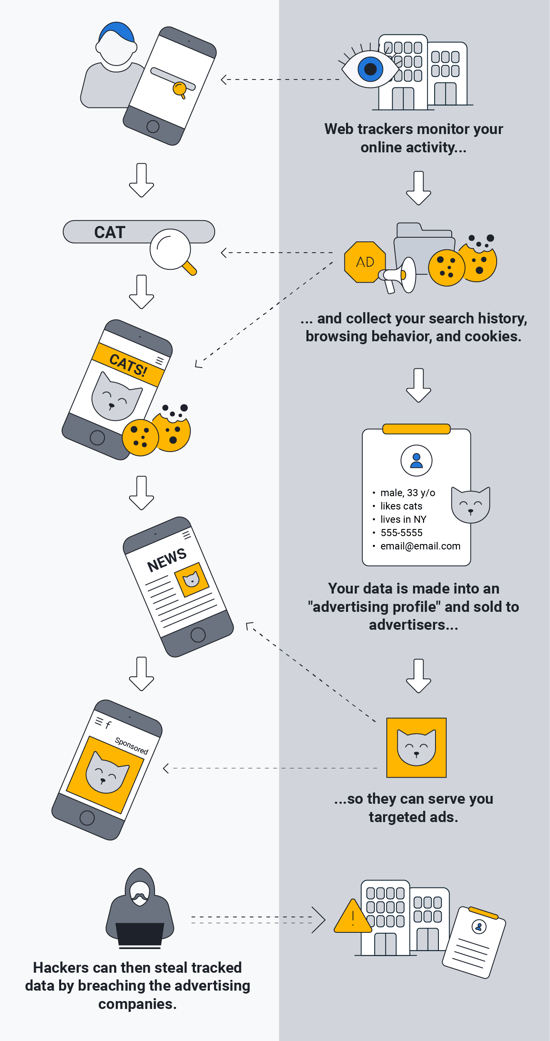
Advertisers: Cookies, device IDs, and IP addresses are used to build detailed ad profiles and target you with personalized ads.
-
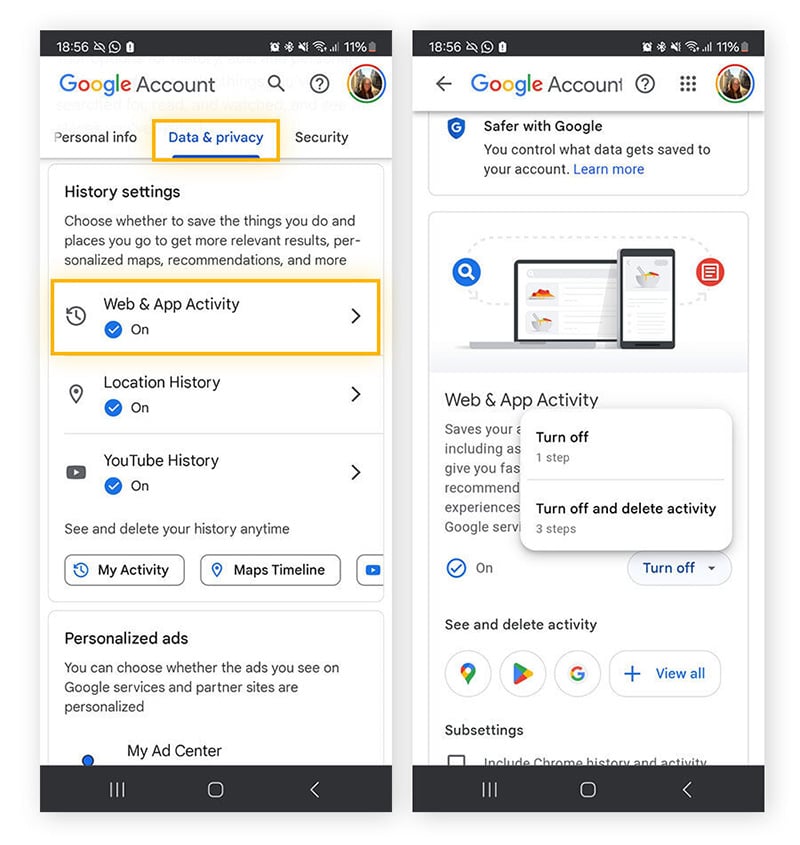
Search engines: Google, Bing, and other search engines collect your search history, app activity, and location data to improve services and deliver ads across their platforms.
-
Social media: Meta (Facebook and Instagram), Twitter (now X), LinkedIn, and other social networking sites track your activity on their apps and across the web (via tracking pixels) to learn about your interests and behavior.
-
Web trackers & crawlers: These tools follow your browsing clicks and searches to gather analytics or sell your data to brokers.
-
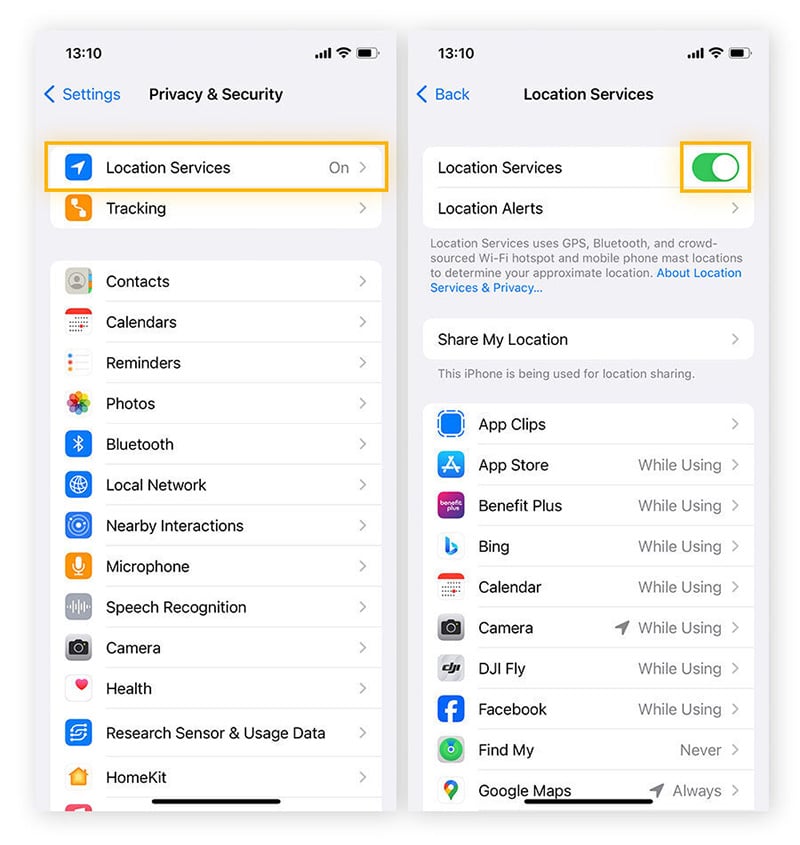
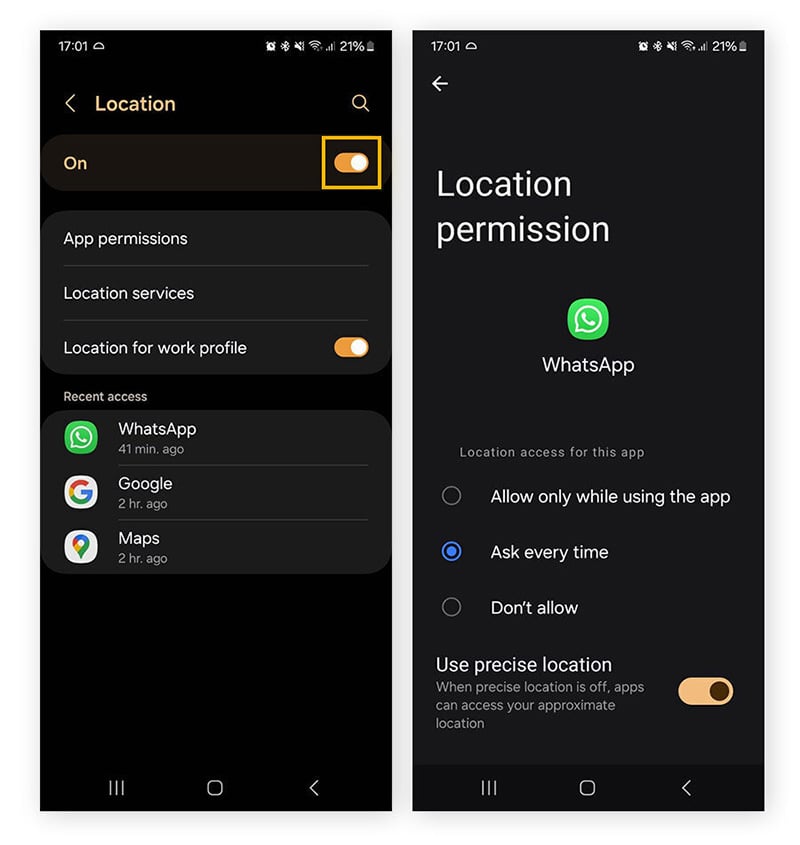
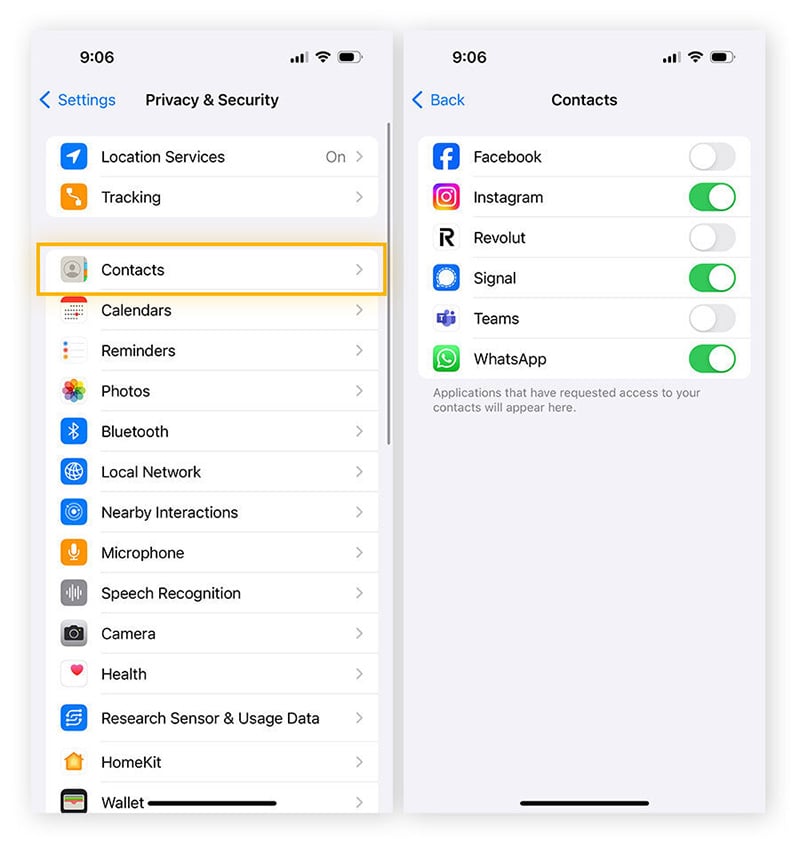
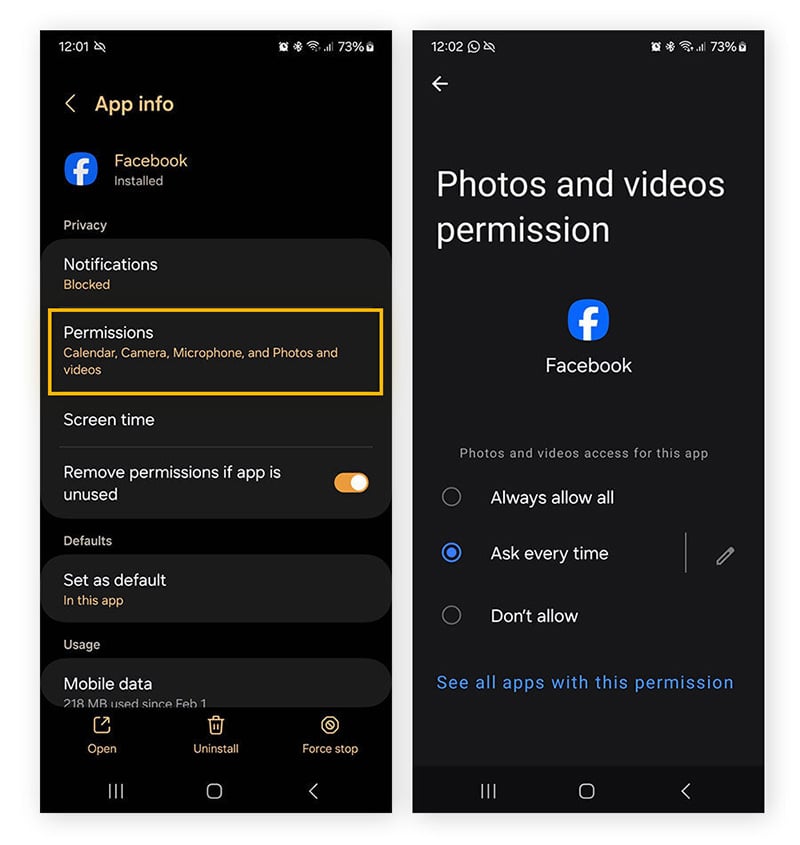
Mobile apps: Many apps request access to GPS, Bluetooth, contacts, or other data to deliver location-based services or personalization. However, some seek unnecessary permissions that enable data collection for advertising, analytics, or profiling.
-
Cell providers: Telecom companies log calls, texts, and cell tower connections, which reveal your location history, for billing, network maintenance, fraud prevention, and to meet legal data retention requirements.
-
Hackers: Cybercriminals use malware, phishing, or unsecured Wi-Fi to steal your data, track your location, or your messages, browsing, and app activity to commit fraud, steal identities, or sell information.
-
Government & law enforcement: Authorized agencies access carrier or tech company data, or use surveillance tools like cell-site simulators to locate devices, investigate crimes, track suspects, and protect national security.
-
Employers: Work devices may be equipped with monitoring software to track usage, location, and compliance against policies.
-
Parents/guardians: Parental control apps are often used to monitor children’s phones for safety, screen time management, content filtering, and location tracking.
-
Spouses/partners: Stalkerware or hidden spyware apps can be installed to track activity and location secretly to control, harass, or spy on victims without their consent.
-
Journalists: Some journalists rely on publicly available or leaked location data in investigations. As revealed in high-profile events, such as the UK’s historic Leveson inquiry into media ethics, some journalists illegally hacked calls and messages to obtain stories.
-
Device manufacturers & operating systems: Companies like Apple, Google, or Samsung collect diagnostic, usage, and location data to improve their services. This process is known as telemetry.